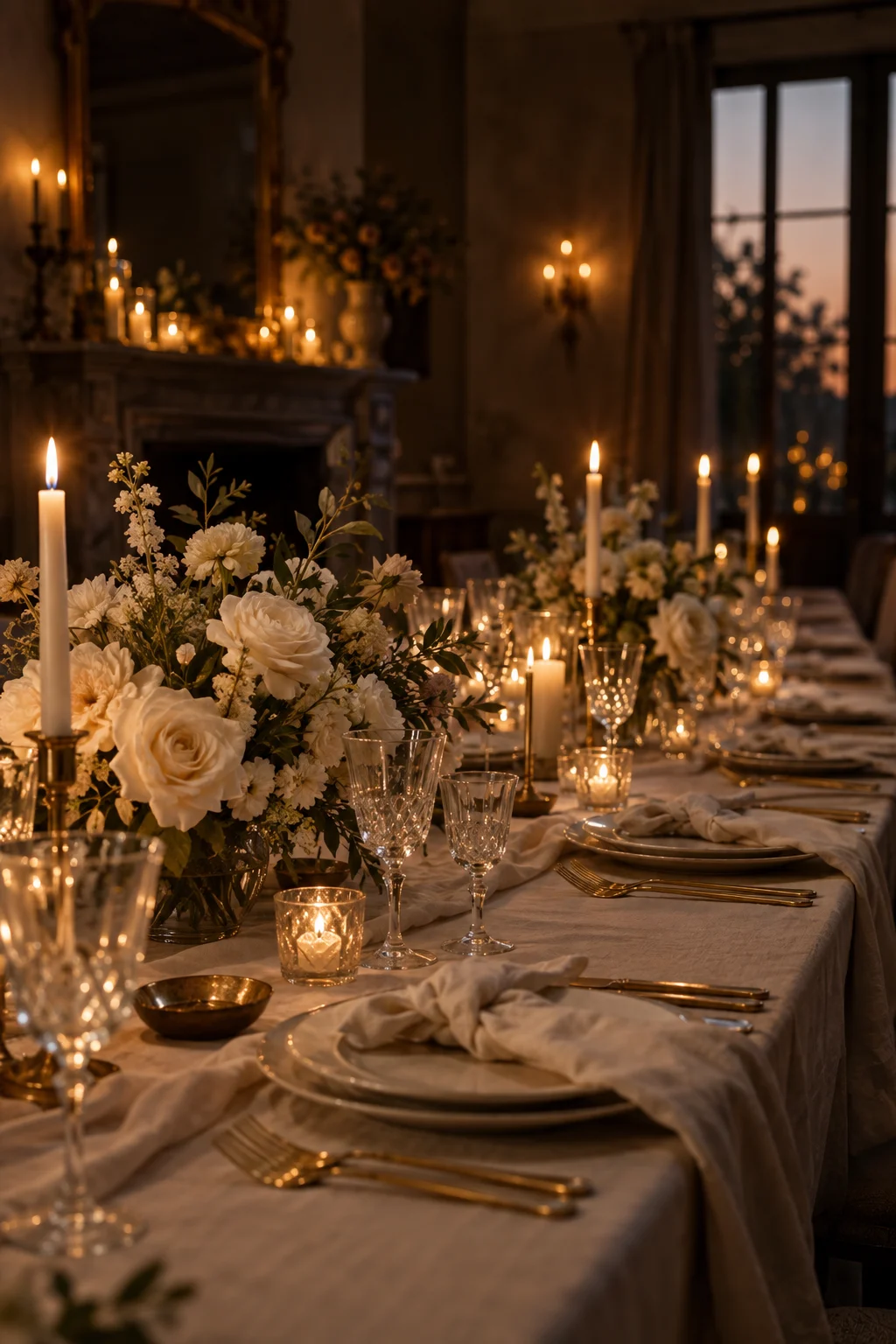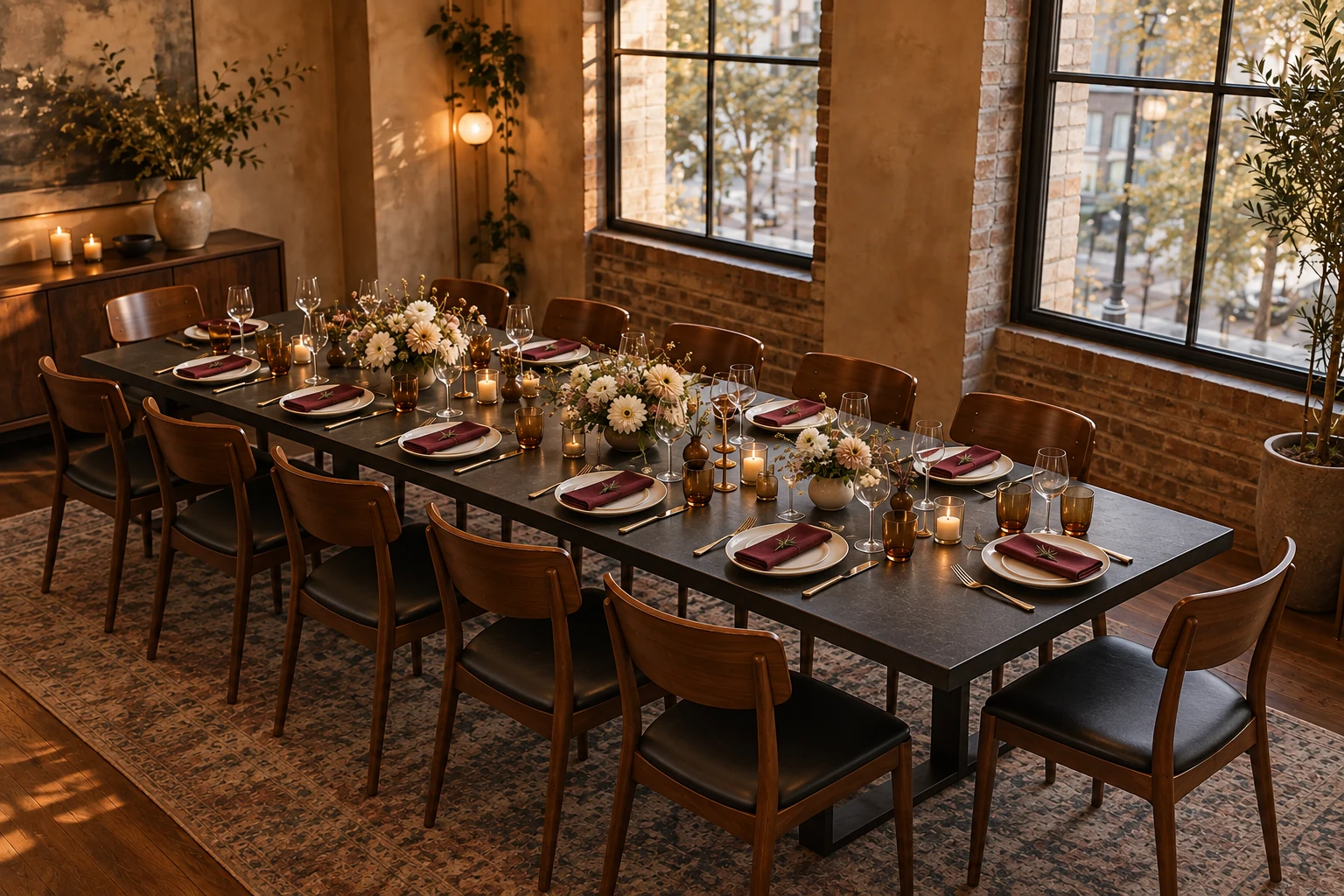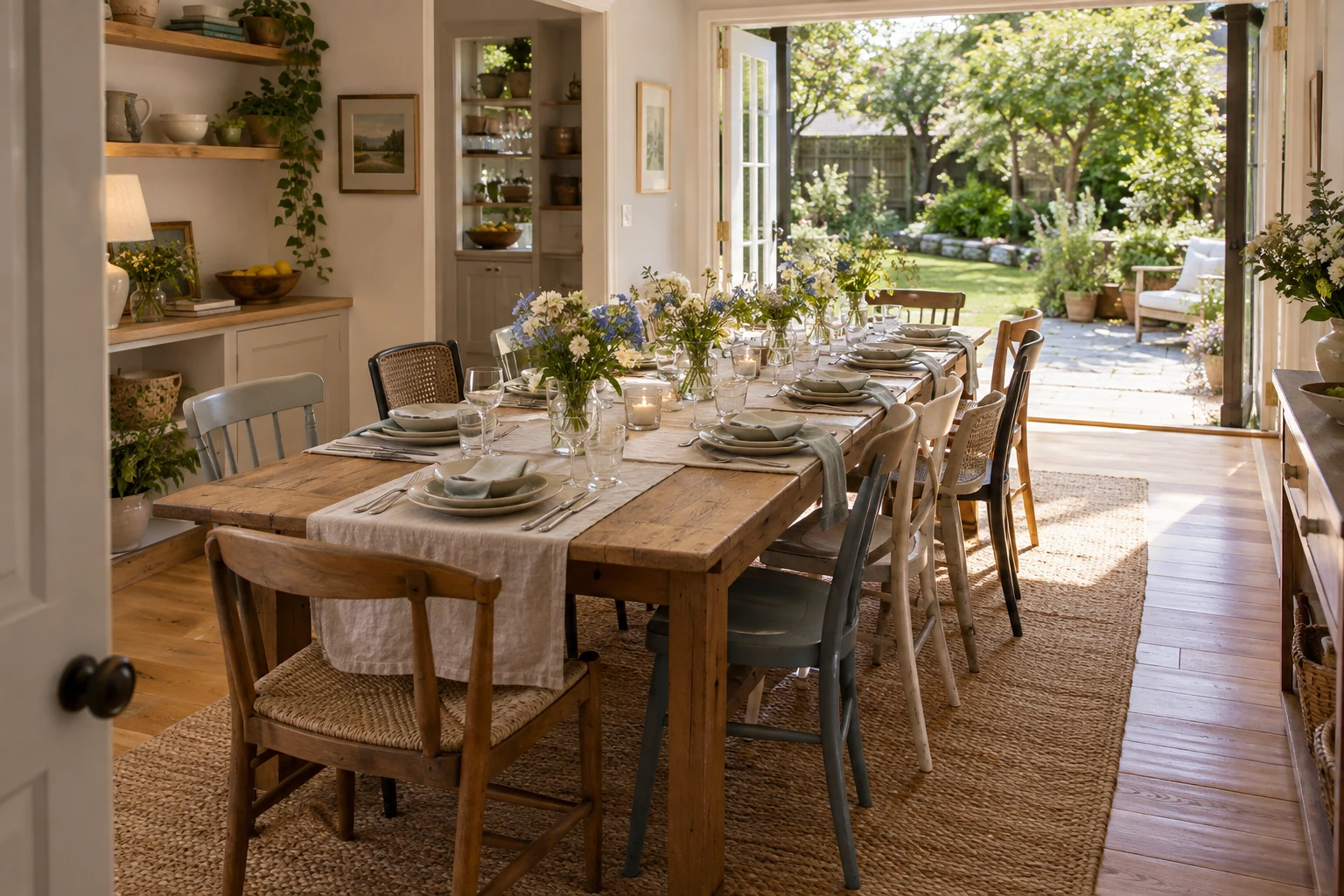
A personal wedding does not need a custom version of every object. It needs a few choices you can recognize as yours. Before you search for another detail, spend ten minutes remembering what you already share: meals, places, music, people, and ordinary habits you would miss if they disappeared.
Start with a shared habit
Perhaps you cook breakfast together on Sundays, always choose the same dessert, or finish a good evening with one particular song. Make a short list separately, then compare. Look for something you both enjoy rather than the memory that would make the best photograph.
Give one habit a place in the day. Ask whether your favorite dessert could join the menu, choose a familiar song for the last dance, or write a short welcome that sounds like the way you speak. The detail can be useful, quiet, and understood by only a few people.
Use a small decision ladder
For each idea, try these options in order: use what is included, borrow what someone is comfortable lending, hire what you need temporarily, then buy if it still makes sense. This is a planning exercise, not a rule that borrowing is always cheaper. Transport, cleaning, damage responsibility, and time all count.
If a borrowed object is involved, ask permission before announcing the plan. Give it a named keeper and a return date. If it is too fragile or important to risk, a photo or a few words can carry the memory without moving the object.
Leave room for your guests
One clear detail is easier to notice than a room full of explanations. Place a personal object where it will not block conversation, service, or an accessible route. Keep any note readable and brief. Guests should not need to understand every reference to feel welcome.
When a new idea arrives, ask which existing choice it would replace. If the answer is none, put it aside until the essentials are settled. Keep the music, food, and comfort you care about ahead of additions that mainly create another job. Personal can also mean knowing when your plan feels complete.